


The Luanda Accord has expanded with Namibia becoming a formal signatory, while India’s Gem and Jewelry Export Promotion Council (GJEPC) and the Dubai Multi Commodities Centre (DMCC) have taken steps towards membership of the Natural Diamond Council (NDC).
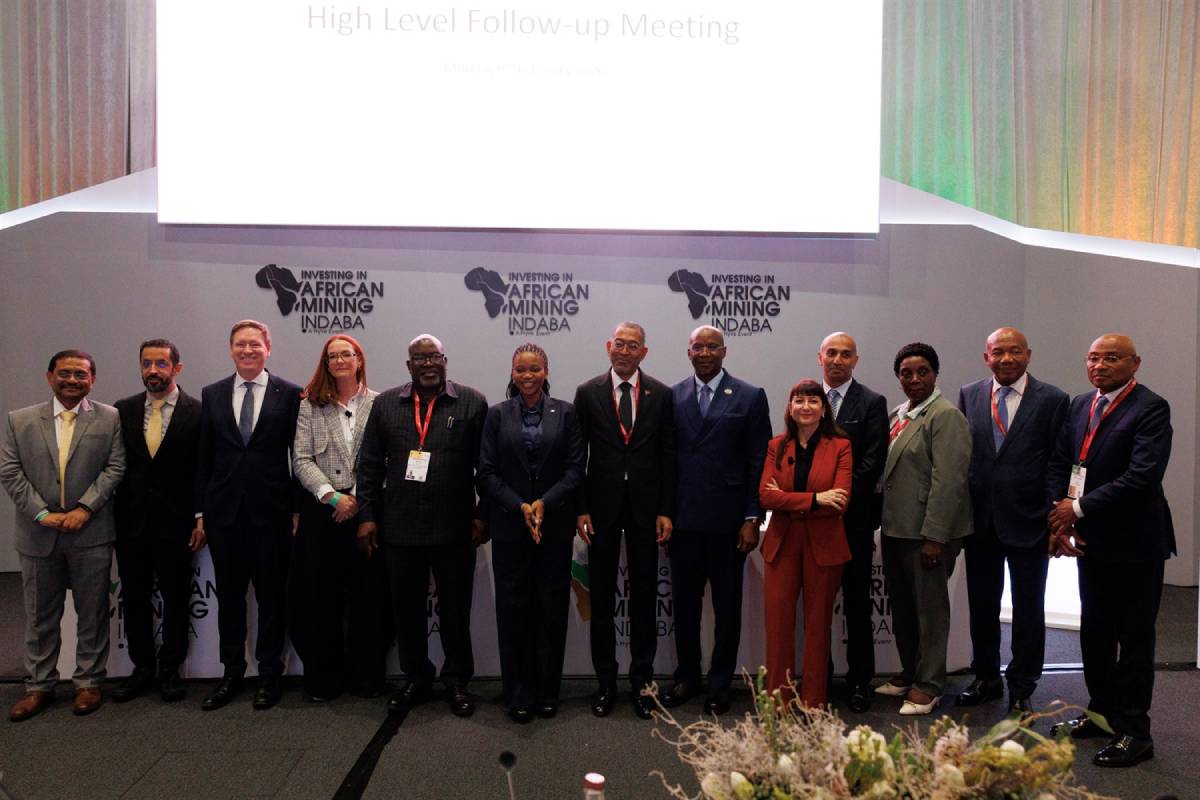
The developments were confirmed during the Accord’s second high-level meeting at African Mining Indaba 2026, where producing countries and industry stakeholders reviewed progress on collective funding for generic marketing of natural diamonds.
Namibia Formalises Participation
Namibia joins Angola, Botswana and the Democratic Republic of Congo as signatories to the Luanda Accord, committing to contribute to global category marketing for natural diamonds.
The country is the fifth largest diamond producer by value and maintains a domestic cutting and polishing sector. Diamonds have historically been a significant contributor to Namibia’s economy, supporting employment and public revenues.
Honourable Modestus Amutse, Minister of Industries, Mines and Energy of the Republic of Namibia, said: “Natural diamonds have helped shape Namibia’s economic story for more than a century, creating jobs, supporting communities and contributing directly to national development. By joining the Luanda Accord, Namibia is affirming that producing countries have both a stake and a responsibility in representing the role of natural diamonds. This is about ensuring that the value created by our resources continues to benefit our people, today and for generations to come.”
Amber Pepper, CEO of the NDC, said: “Namibia’s decision to formally join the Luanda Accord reflects participation from one of the world’s largest diamond-producing nations. Collective action is intended to support the positioning of natural diamonds, and Namibia’s involvement contributes to efforts to communicate their role and impact.”
GJEPC and DMCC Outline NDC Membership Plans
At the same meeting, GJEPC signed a Memorandum of Understanding with the NDC, setting out a pathway to full membership by 1 May 2026, subject to agreement on financial contributions and regulatory approvals. The timing would allow joint activity ahead of the 2026 holiday sales period.
Shaunak Parikh, Vice Chairman of GJEPC, said: “India sits at the heart of the global natural diamond value chain, from cutting and polishing to a fast-growing domestic consumer market. Joining forces with the Natural Diamond Council reflects our belief that the future of natural diamonds depends on collaboration, transparency and a shared commitment to building long-term consumer confidence.”
The DMCC also signed a Letter of Intent signalling its intention to join the NDC by the same date.
Ahmed Bin Sulayem, Executive Chairman and Chief Executive Officer of DMCC, said: “As the world’s largest diamond trading hub, DMCC is home to a community of companies operating across the global diamond trade. Our move toward membership of the Natural Diamond Council reflects our commitment to supporting this community, while also contributing to the continued development of the natural diamond industry.
Strengthening the way natural diamonds are presented to consumers is intended to support awareness and demand. We also recognise the role African producing nations play in the industry and will continue to work with partners to help ensure the value generated supports economic progress in the countries and communities from which these resources originate.
Amber Pepper added: “GJEPC have long been a valued partner of the Natural Diamond Council. Their move toward membership deepens that partnership and strengthens our ability to reach the next generation of consumers with clear, compelling information about what makes natural diamonds rare, authentic and meaningful.”
Ahmed Bin Sulayem, Executive Chairman and Chief Executive Officer of DMCC remarked:
“As the world’s largest diamond trading hub, DMCC is home to a leading community of companies operating across the global diamond trade. Our move toward membership of the Natural Diamond Council reflects our commitment to supporting this community, while also contributing to the continued growth and long-term stability of the natural diamond industry.
Strengthening the way natural diamonds are presented to consumers is key to building awareness and sustaining demand. We also recognise the important role African producing nations play in the industry and will continue to work with partners to help ensure the value generated supports economic progress in the countries and communities from which these resources originate.
By connecting production with international markets through Dubai, DMCC will continue to support a transparent, competitive and future focused diamond sector.”
Amber Pepper added: “I welcome the opportunity to work with DMCC to ensure that the industry’s efforts to support the natural diamond sector are coordinated internationally.”
Industry Implications
The expansion of the Luanda Accord and the prospective inclusion of GJEPC and DMCC within the NDC indicate increased alignment across producing countries, trading centres and manufacturing hubs around coordinated marketing of natural diamonds.
For jewellers, this may result in increased category-level promotion funded across the supply chain, particularly in key consumer markets. Greater coordination between upstream producers and midstream organisations may also lead to more consistent messaging at retail level.
The inclusion of India and Dubai-based organisations reflects the involvement of manufacturing and trading centres in demand-generation initiatives alongside producing nations. This may influence how natural diamonds are positioned in comparison with other product categories, particularly in efforts to reinforce consumer awareness and differentiation.
The Luanda Accord continues to call for participation across the value chain, including retailers, with an emphasis on shared investment in sustaining demand for natural diamonds.
