



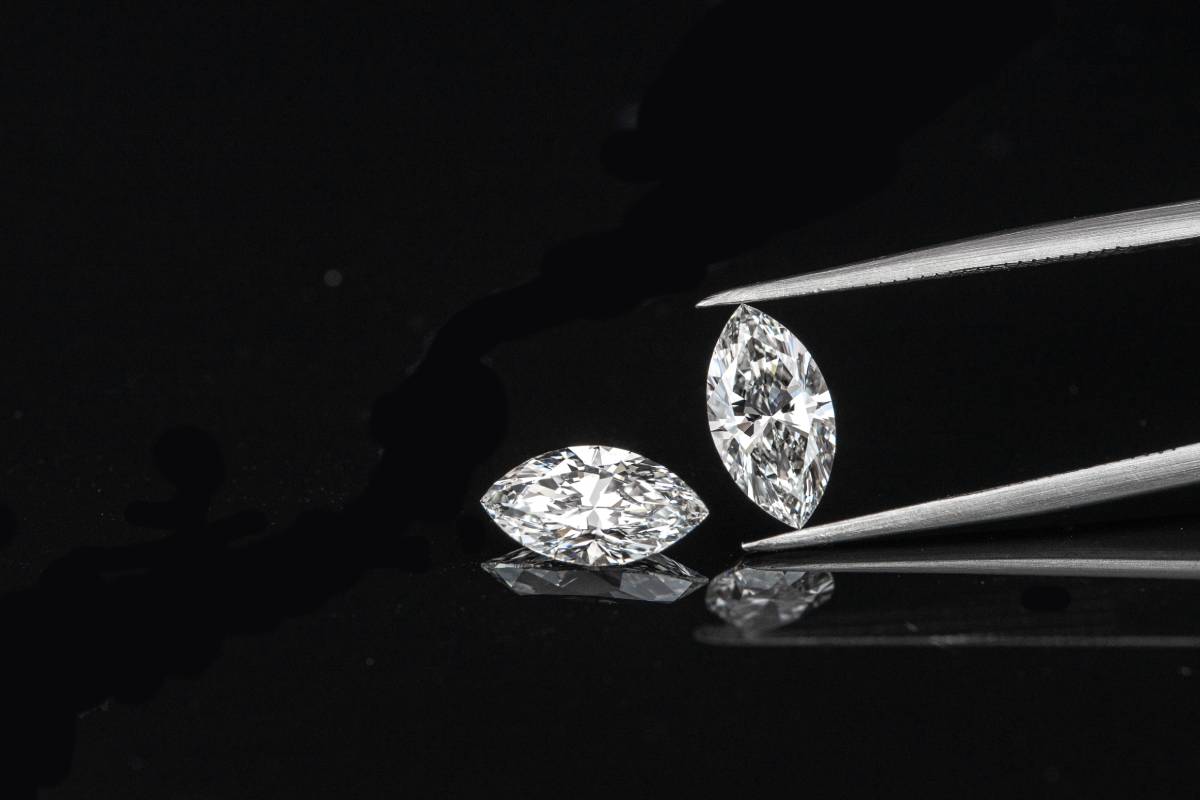

The Gemological Institute of America (GIA) has confirmed plans to introduce cut grading for selected fancy-shaped diamonds in 2027, beginning with oval, pear and marquise cuts.
Alongside this, the lab will expand its reporting framework for fluorescence, with new comments to be introduced for eligible natural D to Z colour diamonds from the fourth quarter of 2026. The updates extend GIA’s diamond grading system beyond its current focus on round brilliant stones.
Expansion of Cut Grading to Fancy Shapes
At present, GIA assigns an overall cut grade only to round brilliant diamonds, while fancy-shaped diamonds receive assessments limited to polish and symmetry. The planned change will introduce a structured cut grading system for oval, pear and marquise diamonds, providing a standardised evaluation of cut quality for these shapes.
The institute said it has been working on the development for an extended period.
“GIA has been working toward developing cut-grade standards for fancy-shape diamonds since the introduction of the GIA round brilliant cut-grading system in 2006,” the statement said. “This effort is aligned with GIA’s mission of consumer protection and will be supported by GIA education, laboratory services, and manufacturer-focused solutions.”
The GIA is expected to release further details on the grading system and associated laboratory services in early 2027.
Focus on Oval, Pear and Marquise Diamonds
The initial rollout will focus on three fancy shapes: oval, pear and marquise. These cuts have seen increased demand in recent years across bridal and jewelry sectors.
Industry data cited by GIA indicates that fancy-shaped diamonds have accounted for a rising share of submissions for grading. Almost one third of diamonds received by the GIA in 2022 were fancy shaped, compared with less than a quarter over the previous decade.
Tom Moses, GIA executive vice president and chief laboratory and research officer, first outlined the intention to extend cut grading to fancy shapes in 2025, following earlier reference to the project in 2024. The institute has since confirmed the specific shapes included in the initial phase.
Standardising Assessment of Cut Performance
Under the new framework, GIA will introduce a formal cut grade scale for selected fancy shapes, comparable in structure to the existing system used for round brilliant diamonds. The aim is to provide a consistent benchmark for evaluating proportions and overall light performance.
Unlike round brilliants, fancy shapes have not previously had a unified cut grading system due to variations in facet arrangement and geometry. As a result, visual performance characteristics such as brightness, fire and scintillation have been more difficult to standardise within laboratory reporting.
GIA research underpinning the system has focused on modelling the optical behaviour of these shapes using analytical methods. This includes evaluating design factors that influence appearance, such as proportion balance and optical effects including bow-tie patterns or areas of reduced light return.
Fluorescence Comments Added to Reports
In addition to cut grading changes, GIA will introduce new fluorescence-related comments on selected diamond grading reports from the fourth quarter of 2026.
Fluorescence will continue to be recorded, with eligible stones also receiving explanatory comments depending on their properties.
For natural D to Z colour diamonds, two possible comments have been outlined by the institute.
One states that fluorescence may have a positive effect under certain lighting conditions:
“The fluorescence may enhance the diamond’s appearance in environments rich in ultraviolet (UV) light, such as natural daylight.”
The second comment applies to a smaller proportion of stones and highlights potential visibility of existing clarity features:
“Can make existing characteristics unrelated to fluorescence, such as reduced transparency, haziness, or milkiness, more noticeable under UV-rich lighting.”
GIA has indicated that these comments are under review and wording may be adjusted prior to implementation.
The institute estimates that around 10 per cent of natural D to Z diamonds submitted for grading could qualify for one of the fluorescence comments. Eligibility will depend on fluorescence strength and other characteristics including colour, clarity and polish. The second comment will apply to fewer than 0.2 per cent of natural diamonds in the relevant category.
Implications for Grading and Trade Practices
The introduction of cut grading for fancy-shaped diamonds expands GIA’s grading framework and brings additional standardisation to a segment of the market that has historically been evaluated with greater subjectivity.
By applying a consistent cut grade to oval, pear and marquise diamonds, the system is expected to provide manufacturers, retailers and consumers with a basis for comparison across stones, particularly where proportions and optical performance vary.
The updated fluorescence comments add further detail to laboratory reporting, providing more specific information on how fluorescence may interact with diamond appearance under different lighting conditions.
GIA has stated that further information on both the cut grading system and fluorescence report changes will be issued ahead of implementation.
